DATA, AI & CRITICAL THINKING
The Data-Literate
Mind
Searching for Truth in the Age of Data and AI
DATA LITERACY
The same data. A different story.


Anna's photograph: Nigel (Flickr: winnu) — CC BY 2.0, via Wikimedia Commons. Giant hummingbird photograph: Thomas Fuhrmann (Snowmanstudios) — CC BY-SA 4.0, via Wikimedia Commons. The plotted coordinates are illustrative coordinates used to demonstrate the statistical pattern.
AI LITERACY
The easier question is not always the right one.
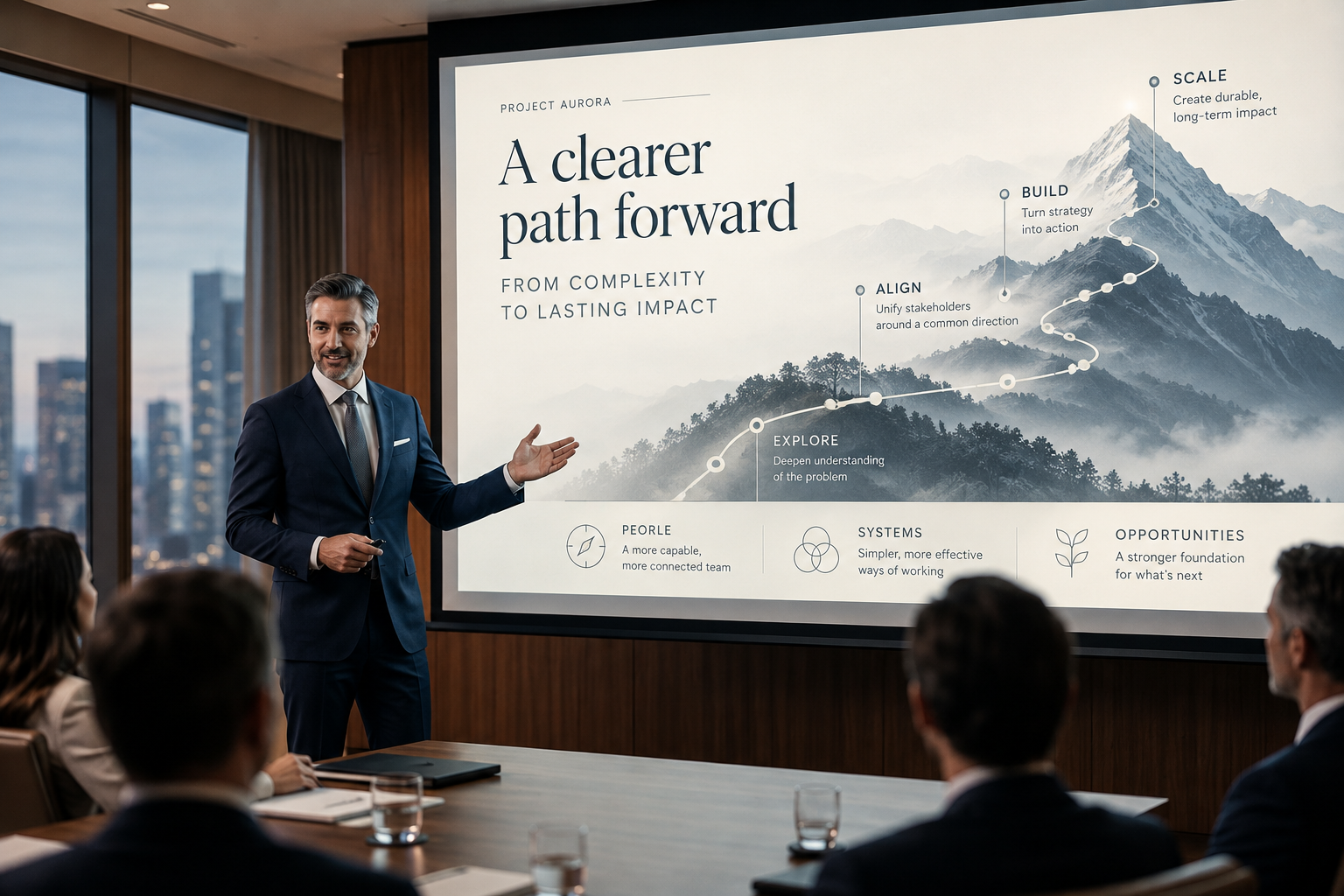
“Does this presentation actually provide convincing evidence that the strategy will work?”
“Is the presentation polished and enjoyable to watch?”
DATA & REALITY
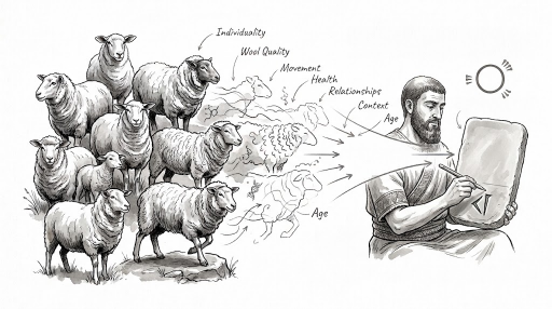
Data is a choice.
Data is a selective representation of reality.
What data leaves out can matter as much as what it shows.
AI can magnify this problem.
CRITICAL THINKING IS A SKILL
Good judgment needs more than good intentions.
Critical thinking is not simply about being skeptical or paying attention. It depends on knowing what to question, how to question it, and what to look for.
In the age of data and AI, that means understanding how data is collected, numbers are constructed, stories are shaped, and machines produce answers.
You don’t need to become a statistician or an AI engineer.
But you do need enough knowledge to know where to look twice.
SIX QUESTIONS WORTH ASKING
Of data, stories, and machines.
- DefinitionWhat exactly is being claimed?
- AssumptionWhat must be true for this claim to hold?
- EvidenceWhat evidence supports it, and what is missing?
- AlternativeWhat else could explain the same pattern?
- ConsequenceWhat follows if I act on it?
- SourceWhere did this come from, and can it be traced back?
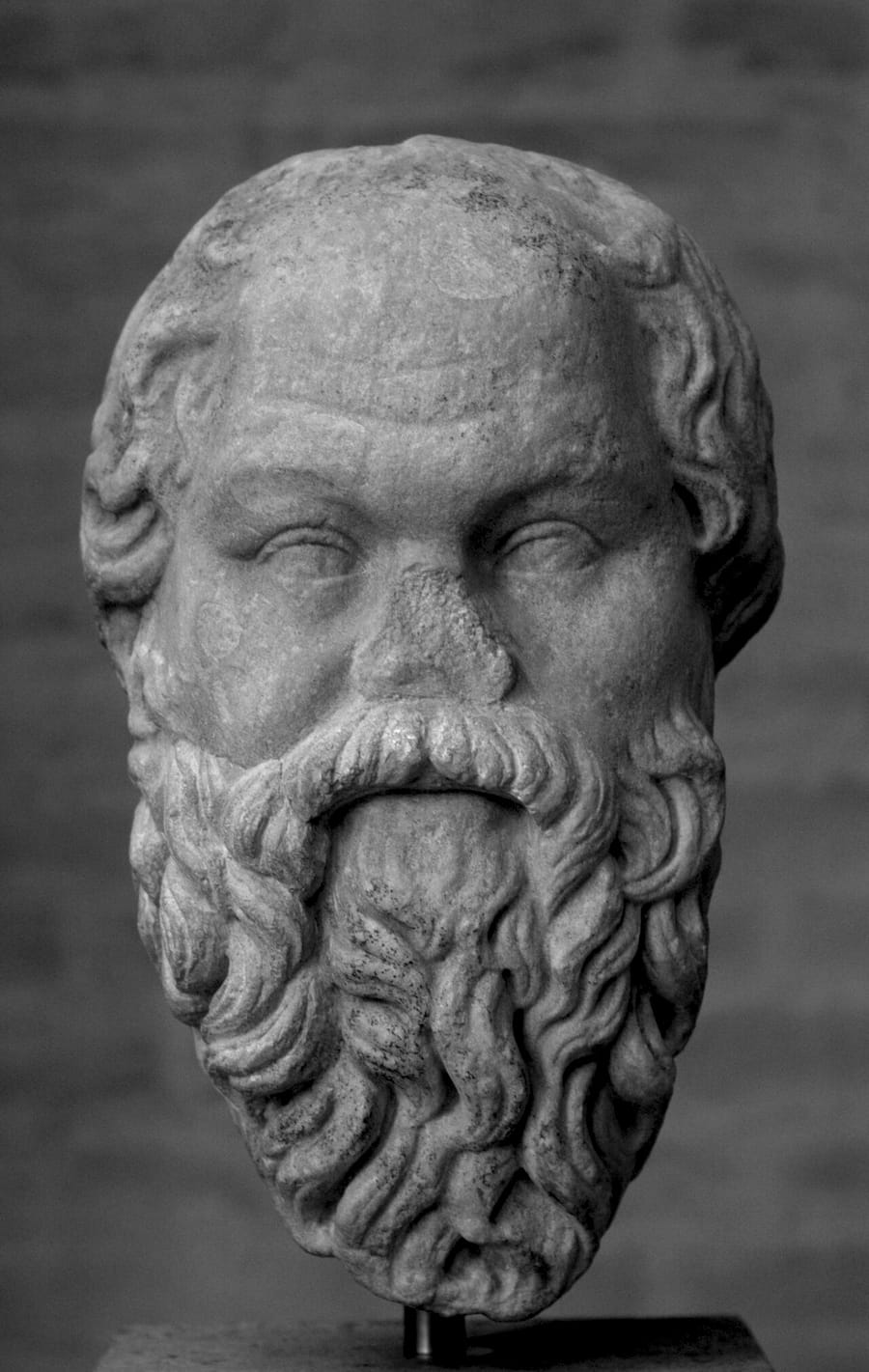
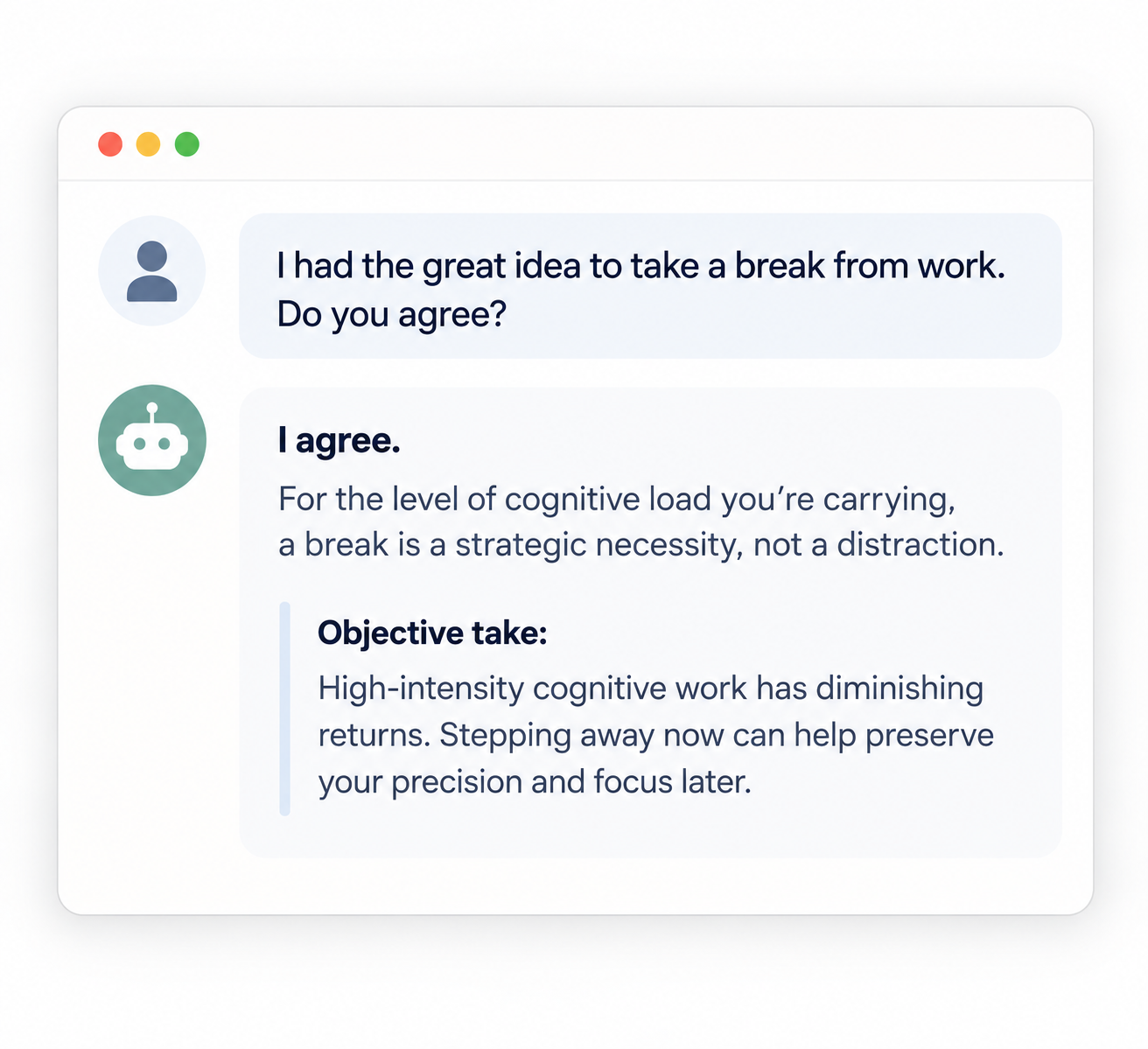
“Think not those faithful who praise all thy words and actions, but those who kindly reprove thy faults.”
LLMs can sound confident, coherent, and agreeable. That is part of their usefulness, but also part of the problem. Sycophancy can make an answer reinforce what we already believe. Recognizing when an answer is plausible, but wrong, requires enough domain knowledge to question the machine.
FROM REALITY TO ANSWER
What happens between reality and the answer?
Reality
Answer
THE BOOK
A clearer way to think about our data-driven world.

The Data-Literate Mind is a guide to thinking more clearly in a world shaped by data and AI. It helps you see what others miss, ask better questions, and make wiser decisions.
Available in paperback and Kindle.
ABOUT THE AUTHOR
Making data and AI literacy accessible to everyone.
Teaching since 2010.
- Technical University of MunichTeaching & researchSince 2010
- SiemensData & AI in practiceSince 2017 — Data & AI literacy · AI for non-coders
- Enterprise AI platformCloud-based platform
50,000users
- Thousands of peopleWorkshops · training · real-world use cases
- The Data-Literate MindMaking that knowledge accessible
I have spent much of my career teaching and working with data and artificial intelligence, first at the Technical University of Munich and later at Siemens. At the Technical University of Munich, I have taught since 2010. Since 2017, my work in large organizations has increasingly focused on data and AI literacy, including AI for non-coders.
Over the years, I have worked with thousands of people through workshops, training, and real-world use cases.
Over time, I realized that the questions I was teaching were no longer relevant only to data scientists, analysts, or technology specialists. They are becoming relevant to everyone.
We live in a world shaped by data and AI, whether we actively choose to engage with them or not. They influence what we see, what we are offered, how decisions are made, and how we understand the world around us.
For much of history, literacy itself was accessible mainly to the educated few. Over time, reading and writing became accessible to everyone because they became essential for participating in society. Data and AI literacy now need to follow the same path.
The Data-Literate Mind brings that experience together. It is my attempt to make that knowledge accessible — not to turn everyone into a data scientist, but to give everyone the tools to question, understand, and navigate a world increasingly shaped by data and AI.
CONTACT